Melasma has no cure. What it has is a management plan: strict sun protection, the right topicals, and a procedure added on top only once those two are already working. That is not a sales pitch. It is the position the American Academy of Dermatology takes, and it is the honest place to start. Here is what actually controls melasma in Denver's high-altitude sun, what makes it worse, and where CO2 laser and chemical peels genuinely fit in.
What Is Melasma?
Melasma is a skin condition that causes darker patches and spots, usually on the face, per the American Academy of Dermatology. The patches run tan, brown, grayish-brown, or bluish-gray. It is not contagious. It will not hurt you physically. Women make up the large majority of cases. Melasma shows up so often during pregnancy that dermatologists call it the mask of pregnancy, and birth control pills trigger it for the same hormonal reason. Medium to dark skin tones develop it more often than lighter skin tones do.
- • Cheeks
- • Forehead
- • Chin
- • Above the upper lip
- • Less often, the neck or arms
What Causes Melasma, and Why Does Denver Make It Worse?
Researchers still do not have a complete answer. What is known is this: melasma develops when melanocytes, the cells that give skin its color, go into overdrive, and something has to trigger that. The AAD's list of triggers includes sunlight, the hormone shifts of pregnancy, certain medications, tanning beds, and even thyroid disease. Stress is a debated trigger too, tied to a rise in cortisol.
Sunlight carries extra weight on that list here, for one specific reason. Denver sits at 5,280 feet. The Environmental Protection Agency counts the elevation of the ground as one of the direct inputs into the daily UV Index forecast. Thinner air filters out less ultraviolet radiation. The same afternoon that reads moderate at sea level can run measurably higher here. For a condition that both starts and worsens with UV exposure, that is not a minor detail. A melasma plan built for a Denver patient has to treat sun protection as non-negotiable, not optional.
- • Women between the ages of 20 and 40
- • Medium to dark skin tones
- • A family history of melasma: 48 percent of patients in one study had a blood relative with it
- • A recent pregnancy or a new birth control prescription
- • Thyroid disease
Does Melasma Ever Go Away on Its Own?
Sometimes. When pregnancy or a medication is the trigger, melasma can fade after delivery or once that prescription stops, according to the AAD. For a lot of patients, though, melasma settles in and stays. Sometimes for years. Sometimes for good. The AAD makes a point worth repeating here too: results get harder to achieve the longer melasma has been established. Treating it sooner tends to work better than waiting it out. That combination, possible fading plus a real chance of years-long persistence, is exactly why melasma gets managed rather than cured.
What Actually Works for Melasma?
There is no single best treatment for melasma. The AAD is direct about that: the most effective approach combines sun protection with topical medication, and sometimes a procedure, in that order. Skip the first two and add a procedure anyway, and you are treating the trigger's fallout while leaving the trigger itself untouched.
Daily sun protection means broad-spectrum SPF 30 or higher, reapplied roughly every two hours. Add a wide-brimmed hat and shade when you can get it, per the AAD's melasma self-care guidance. One detail surprises most people. Standard sunscreen filters UV light, but visible light worsens melasma too, especially in darker skin tones. A tinted sunscreen with iron oxide is what blocks that visible-light piece. Any sunscreen and the right sunscreen are not the same purchase when you are managing melasma.
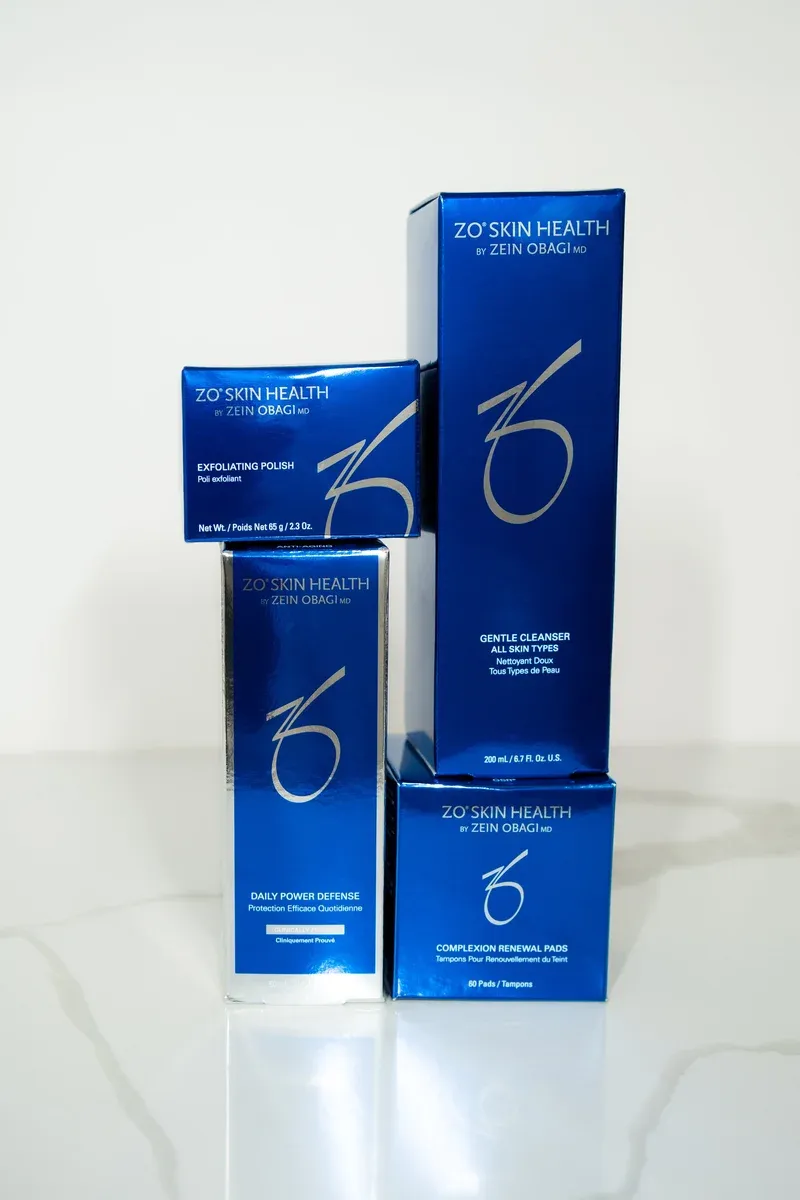
On the topical side, dermatology-grade options include hydroquinone, tretinoin paired with a mild corticosteroid, and gentler picks like azelaic acid, kojic acid, and vitamin C. Each works to slow pigment production and even out tone. At Nurture Wellness, this gets built into a personalized ZO Skin Health regimen, the same approach our providers already use for melasma and related pigment concerns. Progress gets tracked over time with 3D Aura skin imaging. See how a medical-grade skincare regimen is built around your specific skin.
What Makes Melasma Worse?
- • Unprotected sun exposure, even on cloudy days
- • Tanning beds and sunlamps, which can produce stronger UV than direct sunlight
- • Visible light, without a tinted, iron-oxide sunscreen
- • Skipping sunscreen reapplication after two hours outdoors
- • A new pregnancy or a hormonal medication
- • Harsh or fragrance-heavy products that irritate the skin
One more factor belongs on this list. It is the reason procedures for melasma call for real caution. Any treatment aggressive enough to injure the skin, an aggressive peel included, or an ablative laser run too hot, risks triggering the same pigment response melasma already produces. That risk climbs in darker skin tones. That is exactly why the AAD states plainly that only a board-certified provider should perform melasma procedures. Laser and light treatment gets added for patients already using medication and sun protection, never as the first move. The FDA has separately warned against using true chemical-peel-strength products without a trained provider supervising treatment. That is exactly the kind of unsupervised peel that can start a melasma flare instead of fixing one.
Where Do CO2 Laser and Chemical Peels Actually Fit In?
A procedure only earns a place here once sun protection and topicals are already doing their job. Even then, not every laser and every peel is the same tool. Intensity and skin type decide the fit, and that decision is worth getting right rather than defaulting to whatever machine happens to be in the room.
Our CO2 laser menu already reflects this caution. CoolPeel, the light pass, starts at $600. Full fractional resurfacing starts at $1,200. Both require a 6-week ZO skin-prep protocol before treatment. Patients with Fitzpatrick skin types 3 through 6 need an additional 4 weeks of hydroquinone pre-treatment first. That prep window exists to lower pigment-response risk before a laser ever touches skin with active pigment concerns.
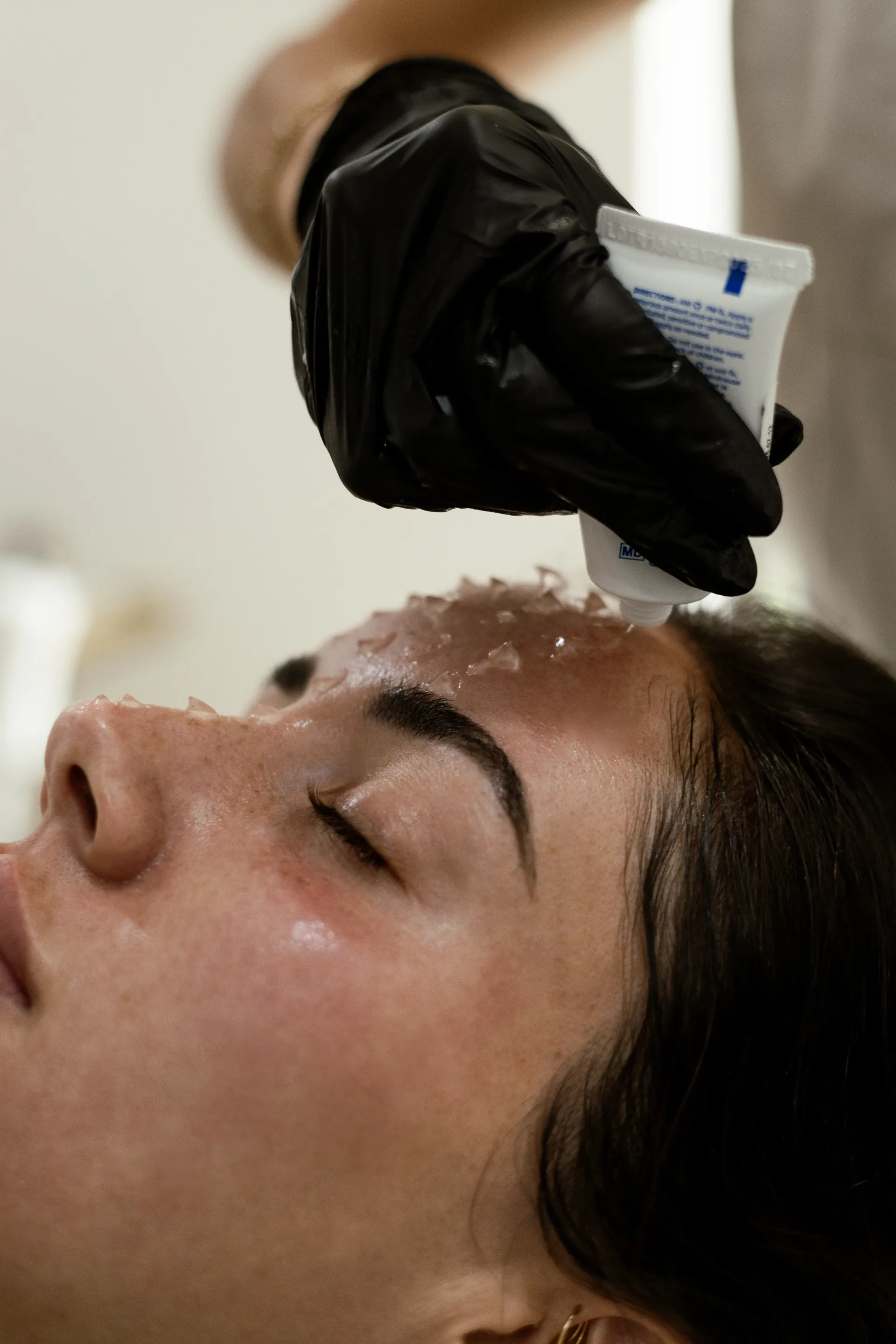
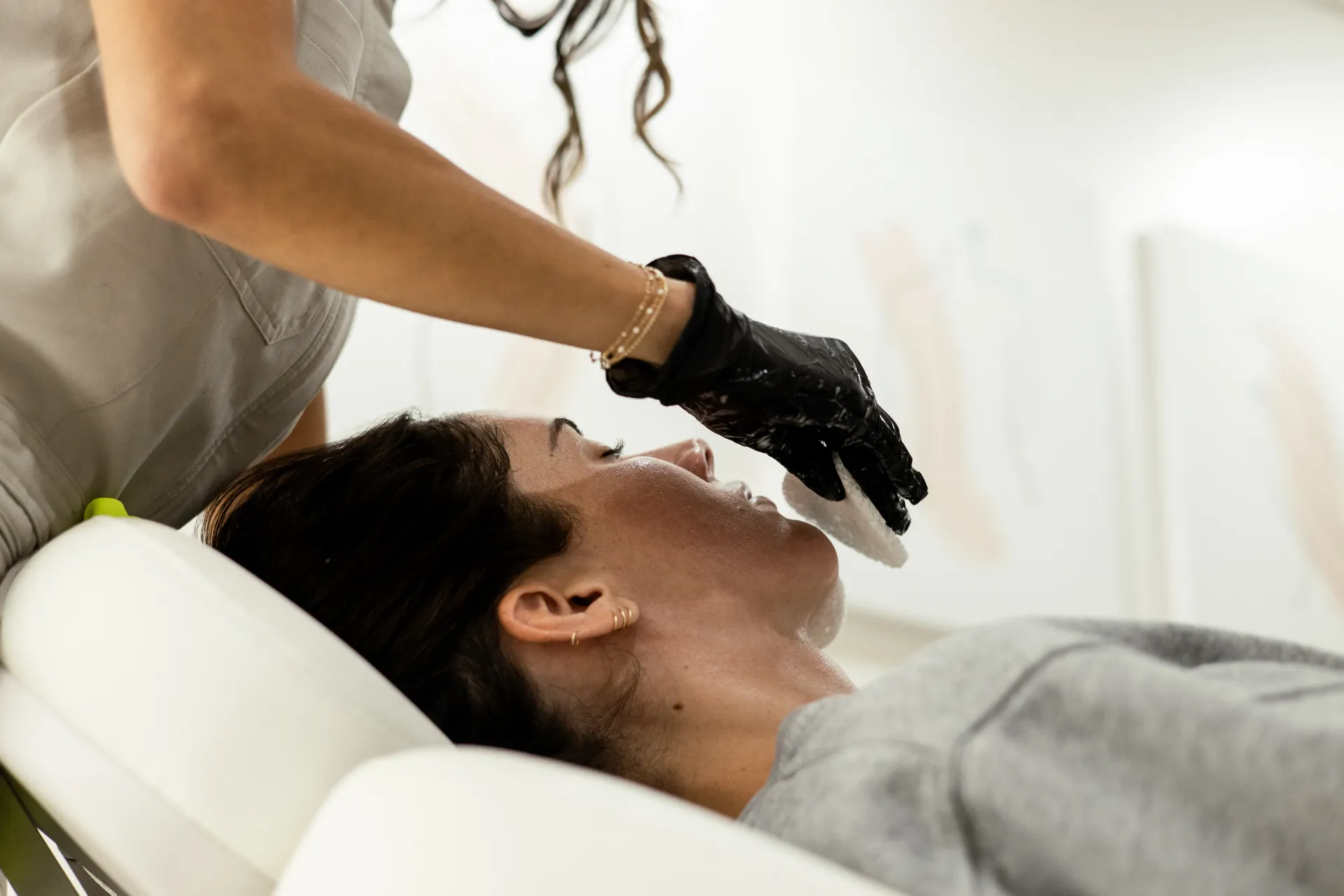
For a gentler adjunct with none of that heat or downtime, the Red Carpet Peel is a $150, no-downtime treatment: exfoliation, a hydrating mask, LED light, and SPF, without the acid strength of a true chemical peel. It will not resolve melasma on its own, but it is a reasonable way to keep skin refreshed between deeper treatments without adding the injury-and-inflammation risk a stronger peel or laser carries.
Microneedling, from $350, is a middle option some patients add once pigment is stable, working through controlled micro-injury to improve tone and texture over a series of visits rather than one aggressive pass.
How Much Does Melasma Treatment Cost in Denver?
- • Consultation: $100, credited in full toward whatever you book
- • Red Carpet Peel: $150
- • Microneedling: from $350
- • CoolPeel CO2 laser: from $600
- • CO2 full resurfacing: from $1,200
- • Personalized ZO Skin Health regimen: priced at your consultation
Every new patient starts with a $100 consultation. That full $100 is credited toward whatever you book, so it is never a separate fee on top. Your provider reviews your skin, your triggers, and your history first. The right combination for someone six months postpartum looks different from the right combination for someone whose melasma has been active for a decade. See the full treatment menu for membership pricing on every option above.
Who Treats Melasma at Nurture Wellness in Denver?
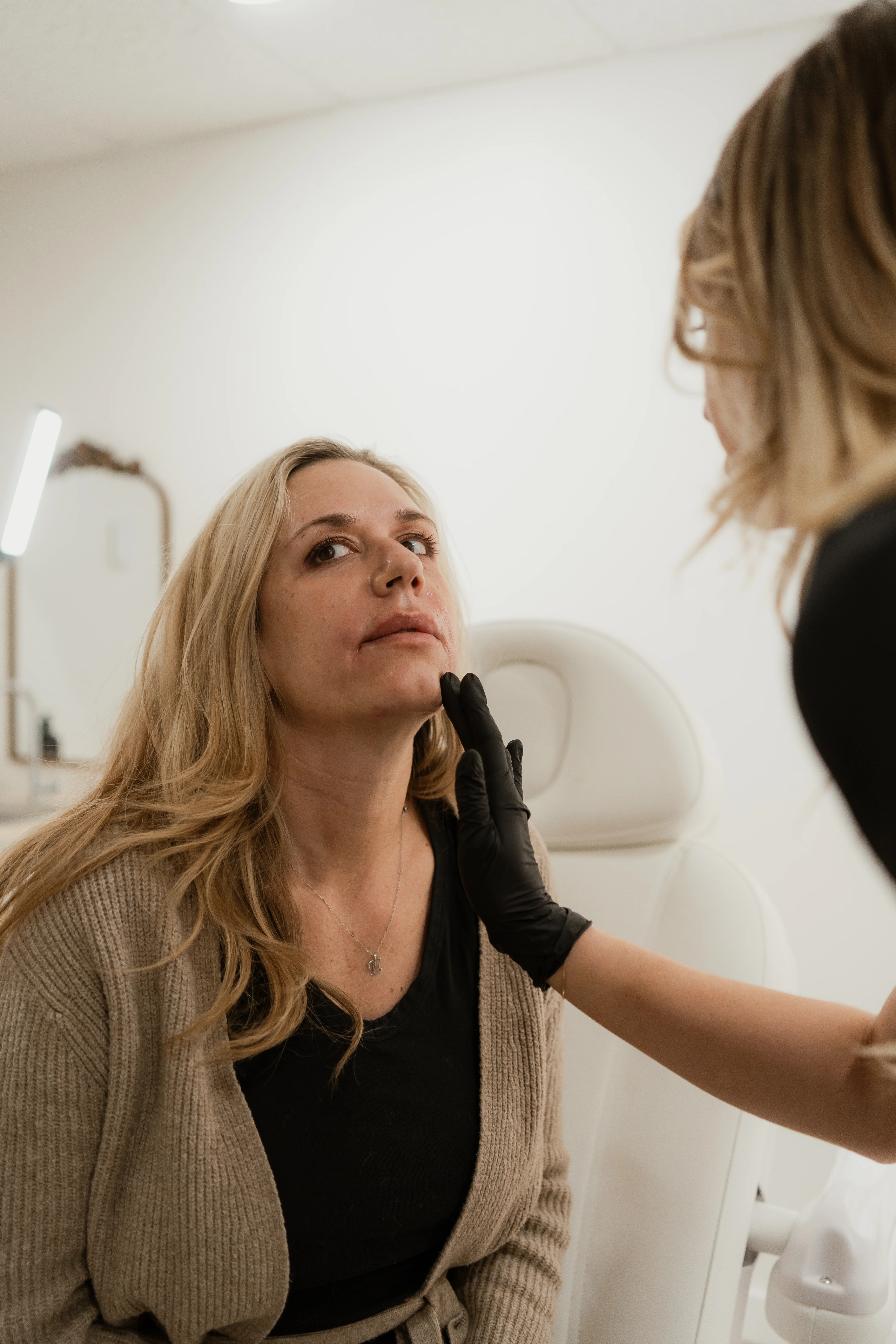
Every treatment plan here, from the skincare regimen to the laser settings, is led by Meg Anguiano, FNP. She is a board-certified nurse practitioner. She has been a nurse since 2013 and a nurse practitioner for four years, and now focuses solely on medical aesthetics. Colorado is a full-practice-authority state. The Colorado Division of Professions and Occupations, Board of Nursing and the American Association of Nurse Practitioners both confirm that means a board-certified NP can evaluate, plan, and treat patients directly. Every visit here is medically supervised and NP-led, not physician-supervised.
Our studio sits at 90 Madison St, Suite 201, right in Cherry Creek, an easy trip from Wash Park, Glendale, and Capitol Hill. Text or call (720) 717-0688 when you are ready to book. Curious who you would actually be sitting across from first? Read more about Meg's background.
Quick Answers About Melasma Treatment
- • Is melasma permanent? Not always, but it often is. It can fade after pregnancy or after stopping a triggering medication, or it can last for years even with treatment.
- • Can men get melasma? Yes, though it is far less common. Men tend to see it on the cheeks, chin, forehead, and above the upper lip, the same places it shows up in women.
- • Is laser treatment safe for melasma in darker skin tones? It can be, with the right settings and preparation. That is why a 6-week skin-prep protocol and extra pre-treatment steps for Fitzpatrick types 3 through 6 come before any laser session here.
- • Does sunscreen alone treat melasma? It is the single most important piece, but the AAD's own treatment guidance pairs sun protection with topical medication for the best results, not sunscreen by itself.
Ready for a plan built around your skin and your triggers, not a one-size-fits-all package? Book a consultation at our Cherry Creek studio and start with what will actually move the needle.
Book a Consultation